NORMAN MACLEAN
Reviews
Kathryn Schulz on Norman Maclean in The New Yorker
“The Achievement of Young Men and Fire" by Alan Thomas
“Norman Maclean” by John G. Cawelti
Excerpts
A River Runs Through It Excerpt | Young Men and Fire Excerpt
The Norman Maclean Reader “Episode, Scene, Speech, and Word: The Madness of Lear”
Maclean Family & Missoula
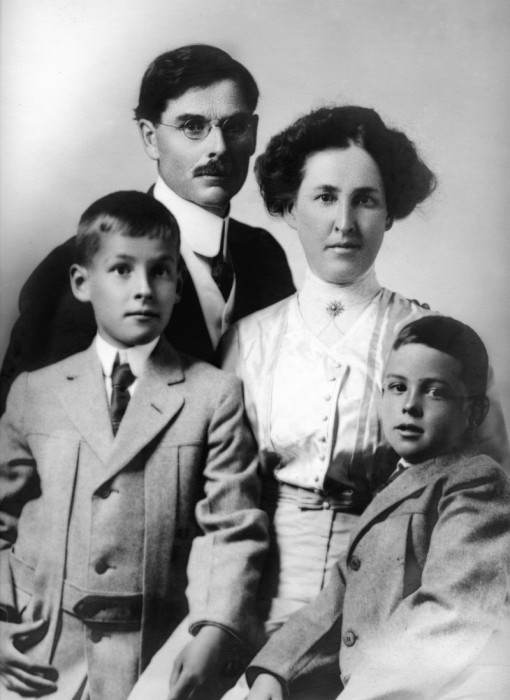
Rev. John Norman Maclean and Clara (Davidson) Maclean with their sons Norman (left) and Paul, about 1911. [Included in The Norman Maclean Reader]
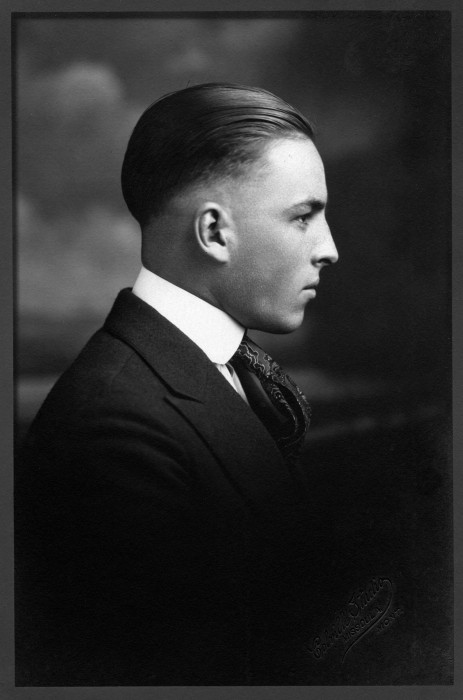
Norman Fitzroy Maclean in an undated studio portrait from his college years. Maclean graduated from Dartmouth College in 1924. [Included in The Norman Maclean Reader]
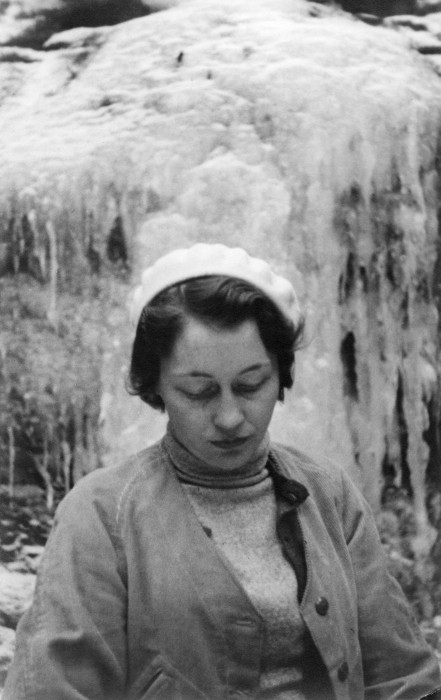
Paul Maclean in a photograph by Norman Maclean, late 1930s. Norman was an enthusiastic amateur photographer. [Included in The Norman Maclean Reader]
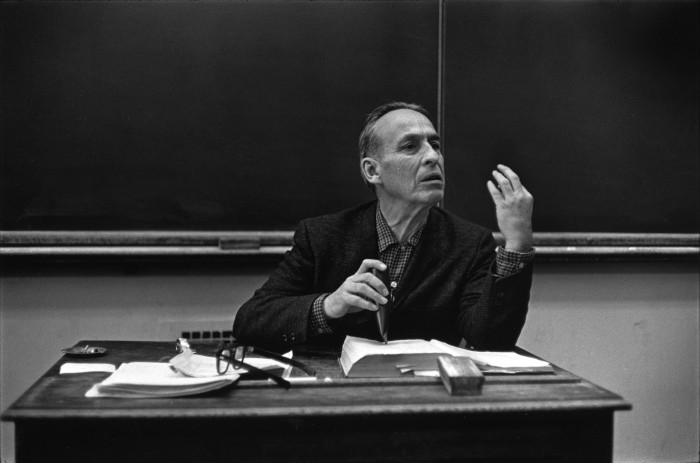
Maclean teaching English 237, his popular course on Shakespeare, at the University of Chicago, January 1970. Photographs by Leslie Strauss Travis. [Included in The Norman Maclean Reader]
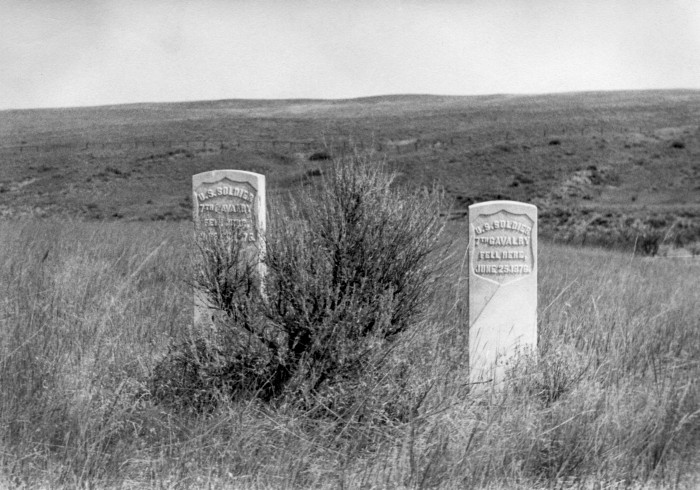
Seventh Cavalry grave markers at Custer battlefield, photographed by Norman Maclean in August 1933. [Included in The Norman Maclean Reader]
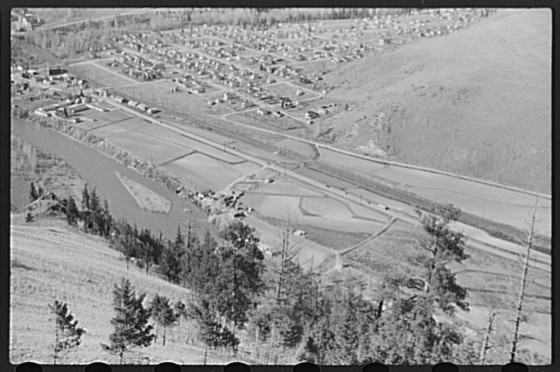
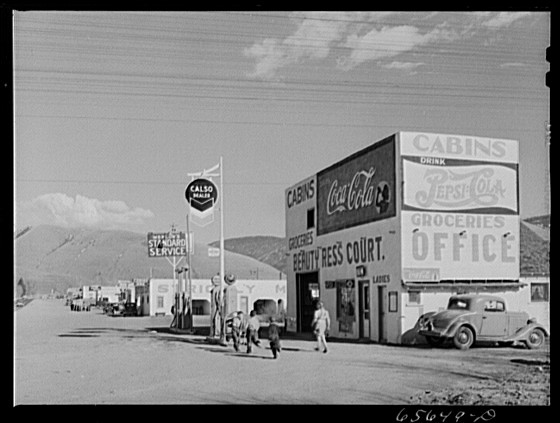
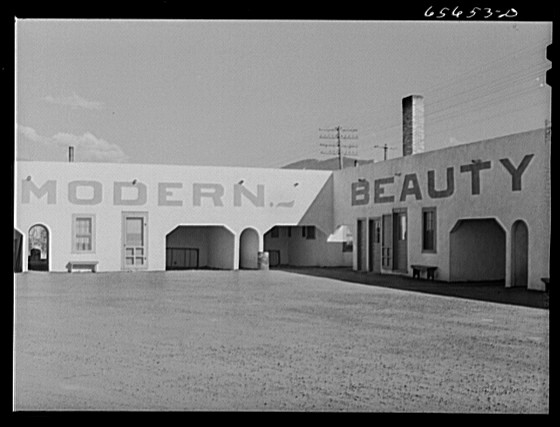
Missoula, Montana. Photograph by John Vachon, 1942. Farm Security Administration—Office of War Information Photograph Collection (Library of Congress) LC-USF34- 065564-D
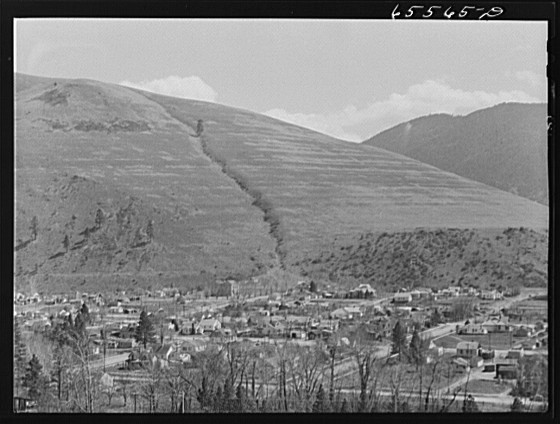
Missoula, Montana. Photograph by John Vachon, 1942. Farm Security Administration—Office of War Information Photograph Collection (Library of Congress) LC-USF34- 065565-D
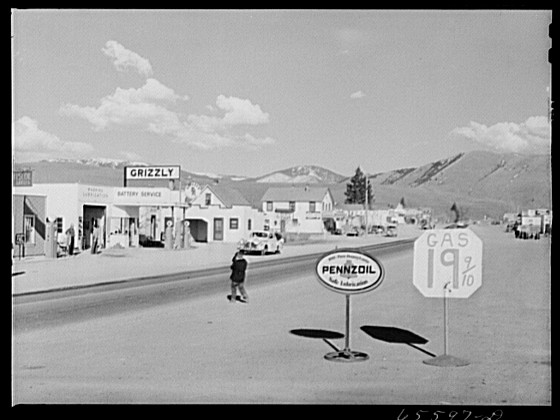
Missoula, Montana. Entering the town. Photograph by John Vachon, 1942. Farm Security Administration—Office of War Information Photograph Collection (Library of Congress) LC-USF34- 065597-D
Mann Gulch
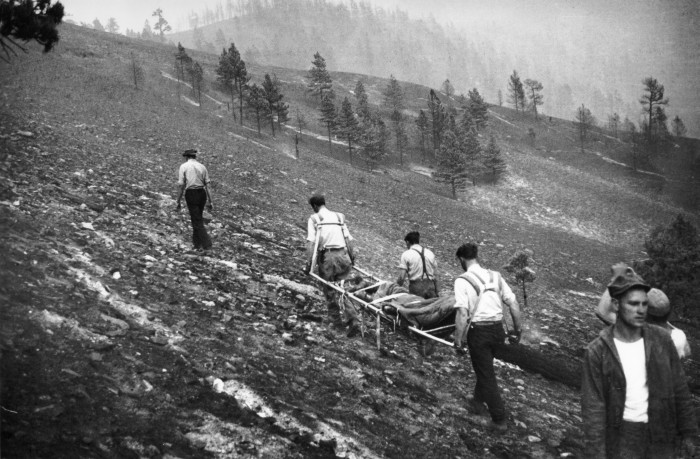
Body retrieval in Mann Gulch, Montana, August 6, 1949. The Mann Gulch fire haunted Maclean until his death and was the subject of his 1992 book, Young Men and Fire. Photograph by Dick Wilson. [Included in The Norman Maclean Reader]
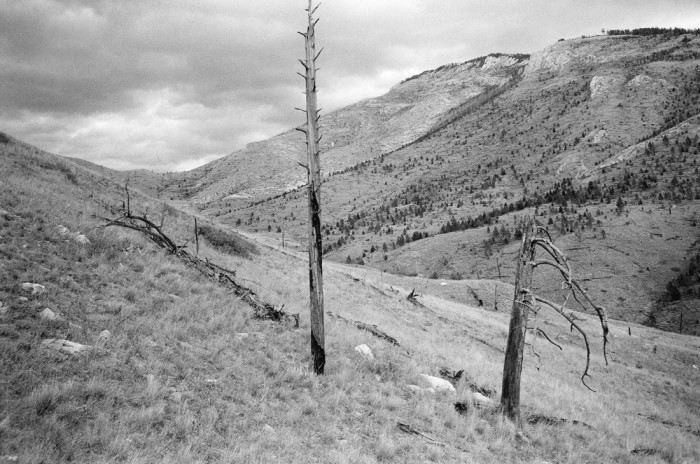
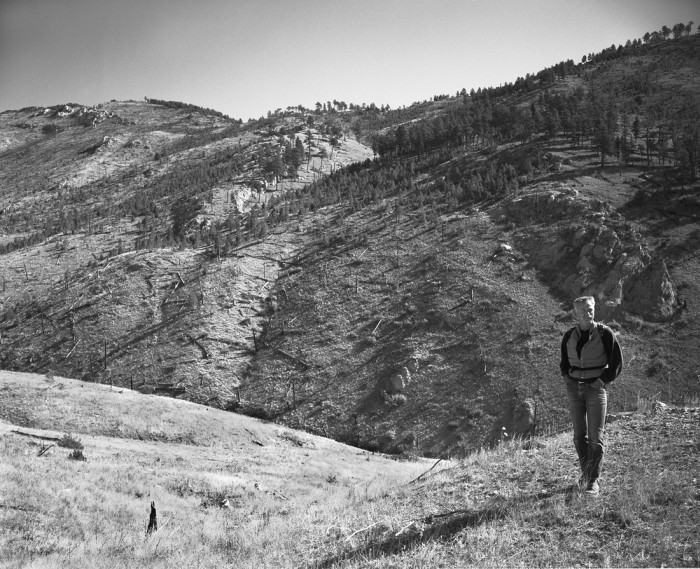
A 1992 view of Mann Gulch. On August 5, 1949, a USFS Smokejumper crew parachuted into Mann Gulch near its head and were soon trapped by an explosion of wind and forest fire known as a “blowup.” It was in this vicinity that the Smokejumper’s foreman, Wag Dodge, with the fire racing toward his men, knelt in the grass, set it ablaze, and, motioning for his men to join him, lay down in its ashes. Dodge’s men failed to understand him and ran past, up the slope at left. All but two were killed. In Young Men and Fire, Maclean investigates what happened in Mann Gulch that day and seeks to give the fire its due as tragedy. Photograph by Alan Thomas, 1992.
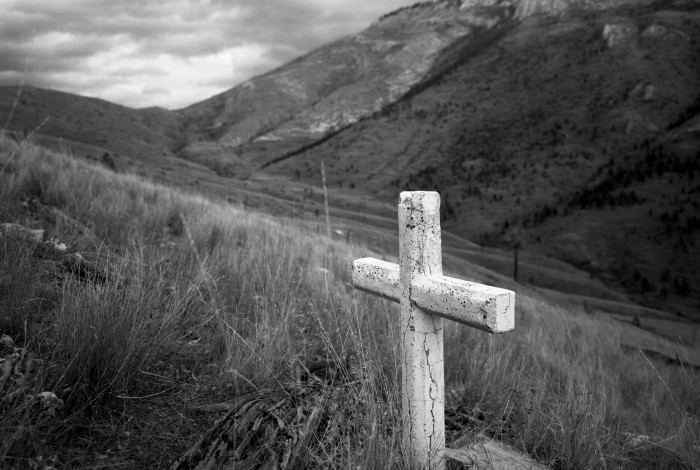
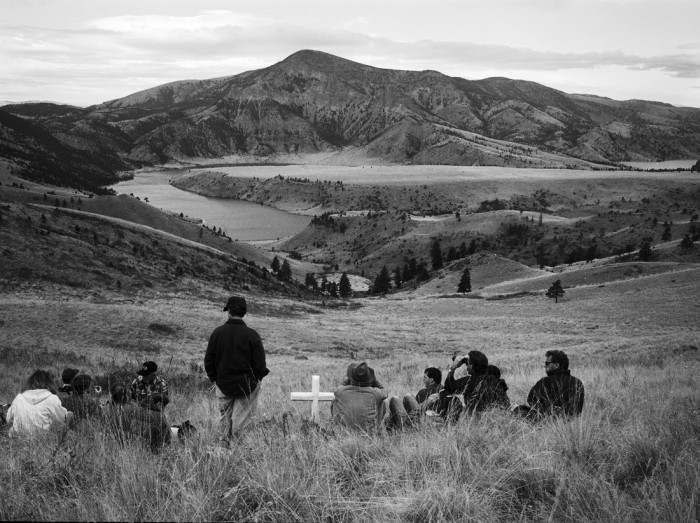
One of the original markers in Mann Gulch, Montana, for the United States Forest Service Smokejumpers who perished there on August 5, 1949. Photograph by Alan Thomas, 1992. [Included in The Norman Maclean Reader]
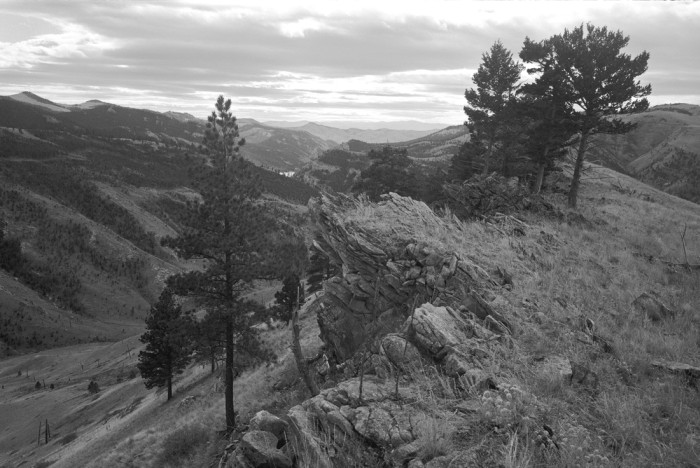
The ridge between Mann Gulch (left) and what is now known as Rescue Gulch, looking southwest toward the Missouri River. Robert Sallee and Walter Rumsey, the youngest of the Smokejumper crew, outran the fire and escaped over the ridge at approximately this point. Only they and Wag Dodge survived. Photograph by Alan Thomas, 1992.
A River Runs Through It
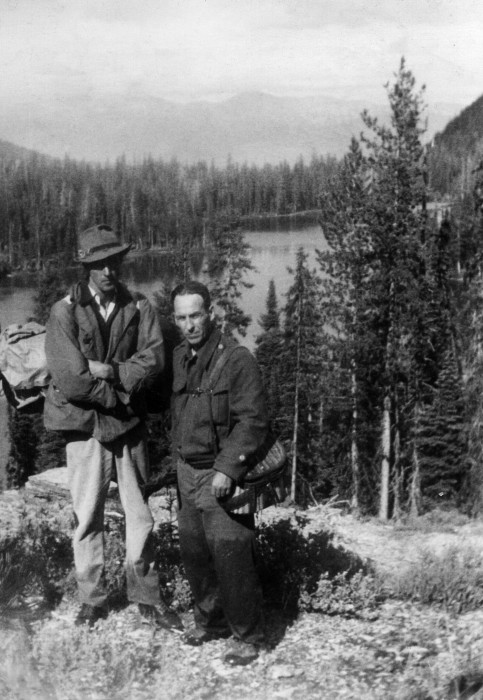
Norman Maclean (right) with George Croonenberghs, Diana Lake, Montana, 1949. Croonenberghs tied flies for Norman and Paul, and served as fishing instructor and period adviser for the 1992 movie A River Runs through It. [Included in The Norman Maclean Reader]
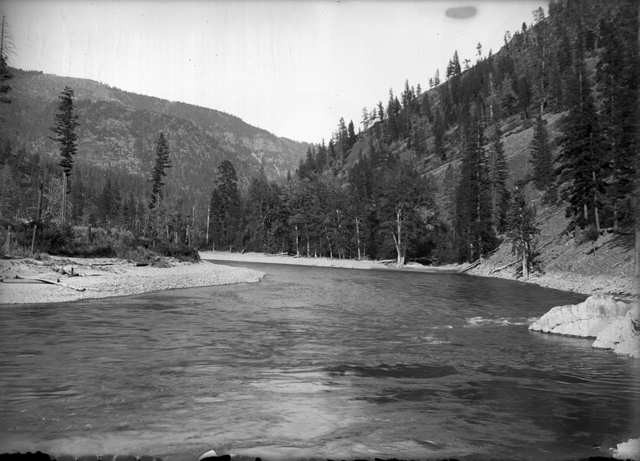
Big Blackfoot River. Photograph by Edward H. Boos, 1905(?).
Trees and several tree stumps line the shores of the Big Blackfoot River in western Montana. A ridge of mountains is in the background. History of the American West, 1860-1920: Photographs from the Collection of the Denver Public Library (Library of Congress, American Memory)