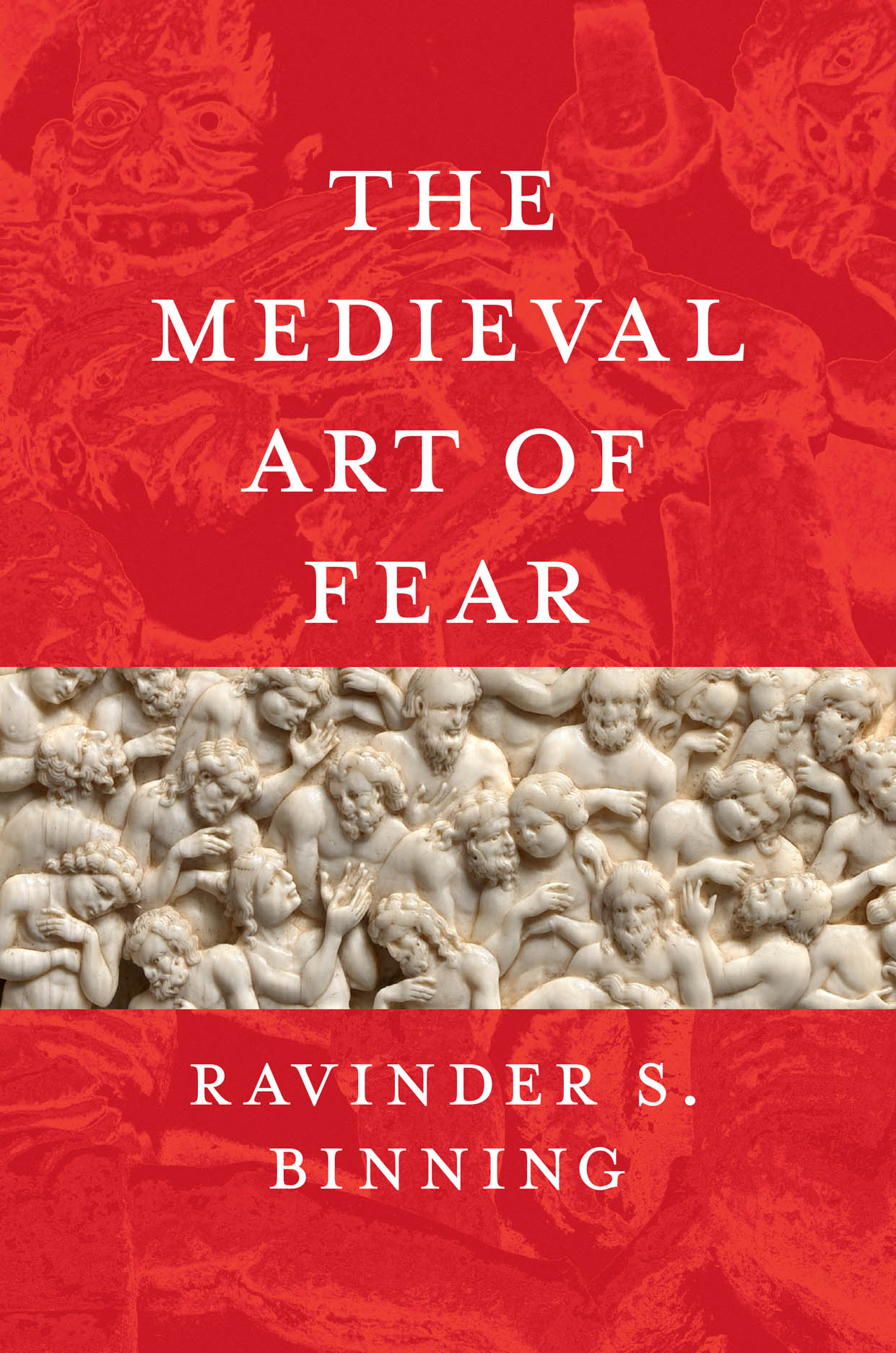
The Medieval Art of Fear
9780226846279
9780226846286
The Medieval Art of Fear
A bold new approach to medieval art and architecture’s shaping of psychosomatic experience.
In the medieval world, experiences of fear attained a mystical significance: monks, urban publics, and even emperors pursued horror and grief to explore the limits of fantasy, sensation, and catharsis. In this book, Ravinder S. Binning examines an expansive archive ranging from poetry and scientific treatises to artistic works in ivory and crystal to recover an aesthetic tradition centered on optical tension, spatial suspense, and tactile experience.
Moving between early monastic spaces in Egypt and major urban centers like Constantinople from the fourth through the thirteenth centuries, The Medieval Art of Fear shows how the psychosomatic experience of fear became the deliberate object of mystical practices, meditation, and other embodied techniques across the medieval world. The result is a powerful exploration of the aesthetic effects behind some of the medieval world’s most ambitious works, whose influence extends well beyond the Middle Ages.
In the medieval world, experiences of fear attained a mystical significance: monks, urban publics, and even emperors pursued horror and grief to explore the limits of fantasy, sensation, and catharsis. In this book, Ravinder S. Binning examines an expansive archive ranging from poetry and scientific treatises to artistic works in ivory and crystal to recover an aesthetic tradition centered on optical tension, spatial suspense, and tactile experience.
Moving between early monastic spaces in Egypt and major urban centers like Constantinople from the fourth through the thirteenth centuries, The Medieval Art of Fear shows how the psychosomatic experience of fear became the deliberate object of mystical practices, meditation, and other embodied techniques across the medieval world. The result is a powerful exploration of the aesthetic effects behind some of the medieval world’s most ambitious works, whose influence extends well beyond the Middle Ages.
