Distributed for Tupelo Press

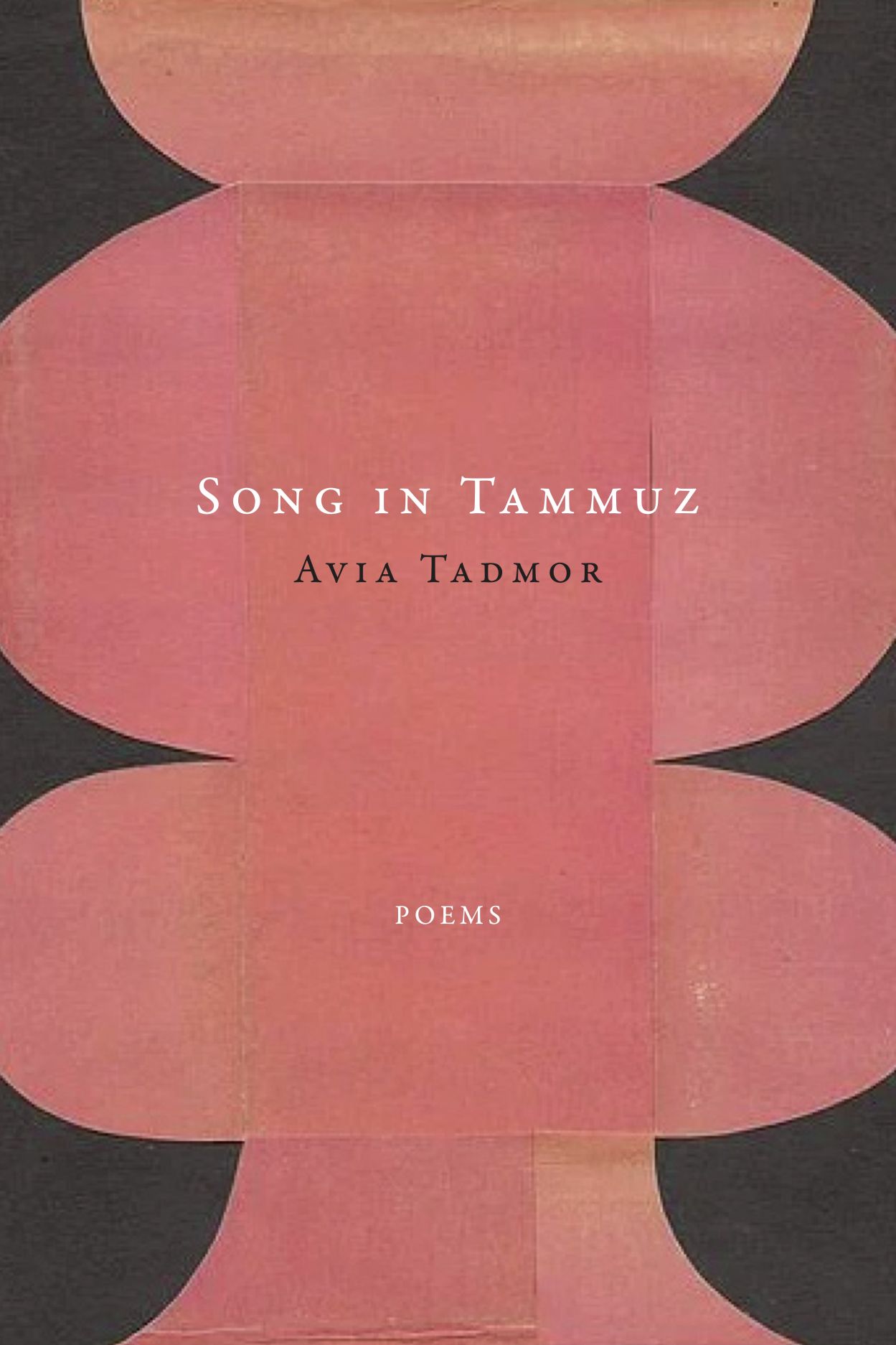
Song in Tammuz

Winner of the International Berkshire Prize, this collection draws from an incredible range of literary forms, from familiar couplets and tercets to footnotes, dictionary definitions, and luminous lyric fragments. 

While stylistically daring, even virtuosic, Avia Tadmor’s stunning debut is unified by its enduring engagement with questions of language and alterity. What does it mean to be othered by and through language? What happens when grammar, syntax, and the concepts of identity housed within them are at odds? Does a revolutionary message demand new forms of discourse? “I can say it through the distance of this other tongue,” Tadmor writes. 

Indeed, she considers the role of language—from conceptual framework to vast storehouse of history, culture, and inheritance—in shaping the self, ultimately revealing our agency within a grammar and syntax we did not choose. As Tadmor writes, “Her pen is a stronghold, a lighthouse / flickering late in July.”


76 pages | 6 x 9 | © 2026

Poetry


Tupelo Press image

View all books from Tupelo Press

Reviews

"Song in Tammuz gives us a lyric voice that speaks—no, sings!—back to tradition, sings with devotion (to a “god attached to the end of your name / like the tail of a mare”), yes, but also with questioning (and whose letters are “the last telegraphs to be sent before the city surrenders”). There is grief yet awareness that as she writes, “a last good lemon hangs from its tree.” There is an incredibly memorable persona, Ruth, both mythical—and our own. There is a story of horror sewn out of silences, out of the unsaid. And, always, there is a song: “first anger, then hunger, then song." This is a marvelous first book."

Ilya Kaminsky, author of Deaf Republic and Dancing in Odessa

“A speaker in one of Avia Tadmor’s poems says, “We utter // what we can’t reach but spend our lives / reaching for.” This reaching-for gives Song in Tammuz its quality of deep embodiment, illustrating how a body that is singularly in the world is also a representative of other minds, hearts, and voices across time. Bringing together story, memory, and history, Song in Tammuz reckons with how the present is always weighted by the past. With our current moment so darkened by crisis and grief, Avia Tadmor insists on a countervailing dignity and illumination. As a speaker in another poem claims, “Her pen is a stronghold, a lighthouse.””

Rick Barot, author of Moving the Bones

"In conversation with the Biblical book of Ruth, Avia Tadmor crafts a brilliant exploration of displacement, migration, and loss. Song in Tammuz merges the identity of the speaker with the character of Ruth, both women seeking to be known, both seeking the holy and the whole—in geography and intimacy. The poet uses form skillfully to contain memories of lost homes and the desire for new homes. Elegiac, ekphrastic, and definition poems explore presence and absence while beseeching some higher power: “even now, see me asking compulsively / for a newness, a promise / however unshapen.” From a grandfather in pre-Holocaust Czechoslovakia, to Ruth’s famine-stricken migration from Moab to Judah, to the speaker’s move from Israel to the US, horses, crops, land, rivers, and light provide a language that binds old and new. Tadmor eloquently captures the paradox of exile: “…Although I am countried and housed / I remain stupefied in my journey / on most days / still searching for home.""

Ellen Bass, author of Indigo

Be the first to know

Get the latest updates on new releases, special offers, and media highlights when you subscribe to our email lists!

Sign up here for updates about the Press