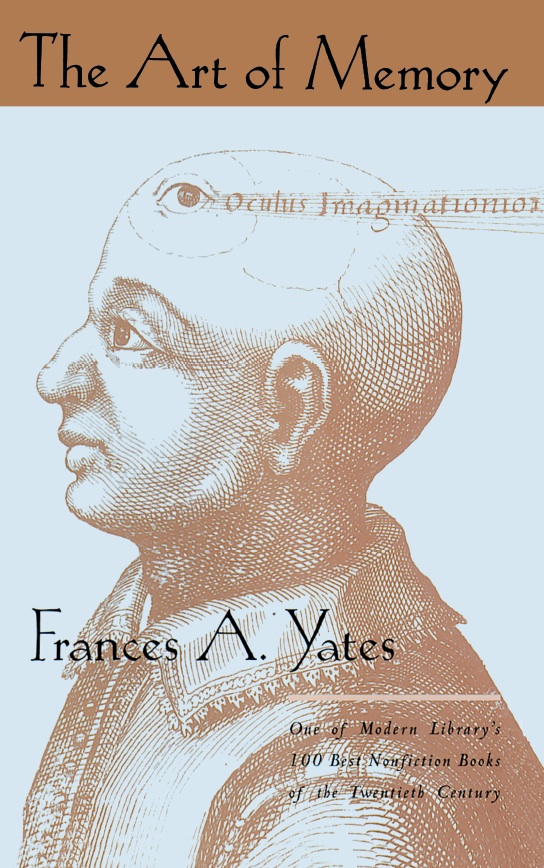
The Art of Memory
9780226950013
The Art of Memory
One of Modern Library’s 100 Best Nonfiction Books of the Twentieth Century!
How did people remember essential information before the invention of the printed page? In 1966 Frances Yates revealed the answer, which, ironically had been forgotten for centuries: A system of mnemonics that has become known as the memory palace. In this system, people deliberately associated details they wanted to remember with specific locations in a landscape or building in their mind, thus making them easier to recall. As people even today have discovered, this technique, which at first may seem complicated, turns out to be astonishingly effective, enabling practitioners to recall vast amounts of information without external aids.
In The Art of Memory Yates traces this technique of memorization from its treatment by Greek orators through its Gothic transformations in the Middle Ages to the occult forms it took in the Renaissance, and finally to its use in the seventeenth century. This book, the first to relate the art of memory to the history of culture as a whole, was revolutionary when it first appeared and continues to mesmerize readers with its lucid and revelatory insights.
A work of profound, groundbreaking scholarship, The Art of Memory is also remarkably engaging and readable, full of fascinating details and useful information for anyone, scholar or not, who is interested in how our memory works, how we made it work in the past, and how we might still use those insights today.
464 pages | Illus. | 5-1/2 x 8-1/2 | © 1974
History: General History, History of Ideas
Psychology: General Psychology
Reviews

Table of Contents
Preface
I. The Three Latin Sources for the Classical Art of Memory
II. The Art of Memory in Greece: Memory and the Soul
III. The Art of Memory in the Middle Ages
IV. Mediaeval Memory and the Formation of Imagery
V. The Memory Treatises
VI. Renaissance Memory: The Memory Theatre of Giulio Camillo
VII. Camillo’s Theatre and the Venetial Renaissance
VIII. Lullism as an Art of Memory
IX. Giordano Bruno: The Secret of Shadows
X. Ramism as an Art of Memory
XI. Giordano Bruno: The Secret of Seals
XII. Conflict between Brunian and Ramist Memory
XIII. Girodano Bruno: Last Works on Memory
XIV. The Art of Memory and Bruno’s Italian Dialogues
XV. The Theatre Memory System of Robert Fludd
XVI. Fludd’s Memory Theatre and the Globe Theatre
XVII. The Art of Memory and the Growth of Scientific Method
Index
I. The Three Latin Sources for the Classical Art of Memory
II. The Art of Memory in Greece: Memory and the Soul
III. The Art of Memory in the Middle Ages
IV. Mediaeval Memory and the Formation of Imagery
V. The Memory Treatises
VI. Renaissance Memory: The Memory Theatre of Giulio Camillo
VII. Camillo’s Theatre and the Venetial Renaissance
VIII. Lullism as an Art of Memory
IX. Giordano Bruno: The Secret of Shadows
X. Ramism as an Art of Memory
XI. Giordano Bruno: The Secret of Seals
XII. Conflict between Brunian and Ramist Memory
XIII. Girodano Bruno: Last Works on Memory
XIV. The Art of Memory and Bruno’s Italian Dialogues
XV. The Theatre Memory System of Robert Fludd
XVI. Fludd’s Memory Theatre and the Globe Theatre
XVII. The Art of Memory and the Growth of Scientific Method
Index