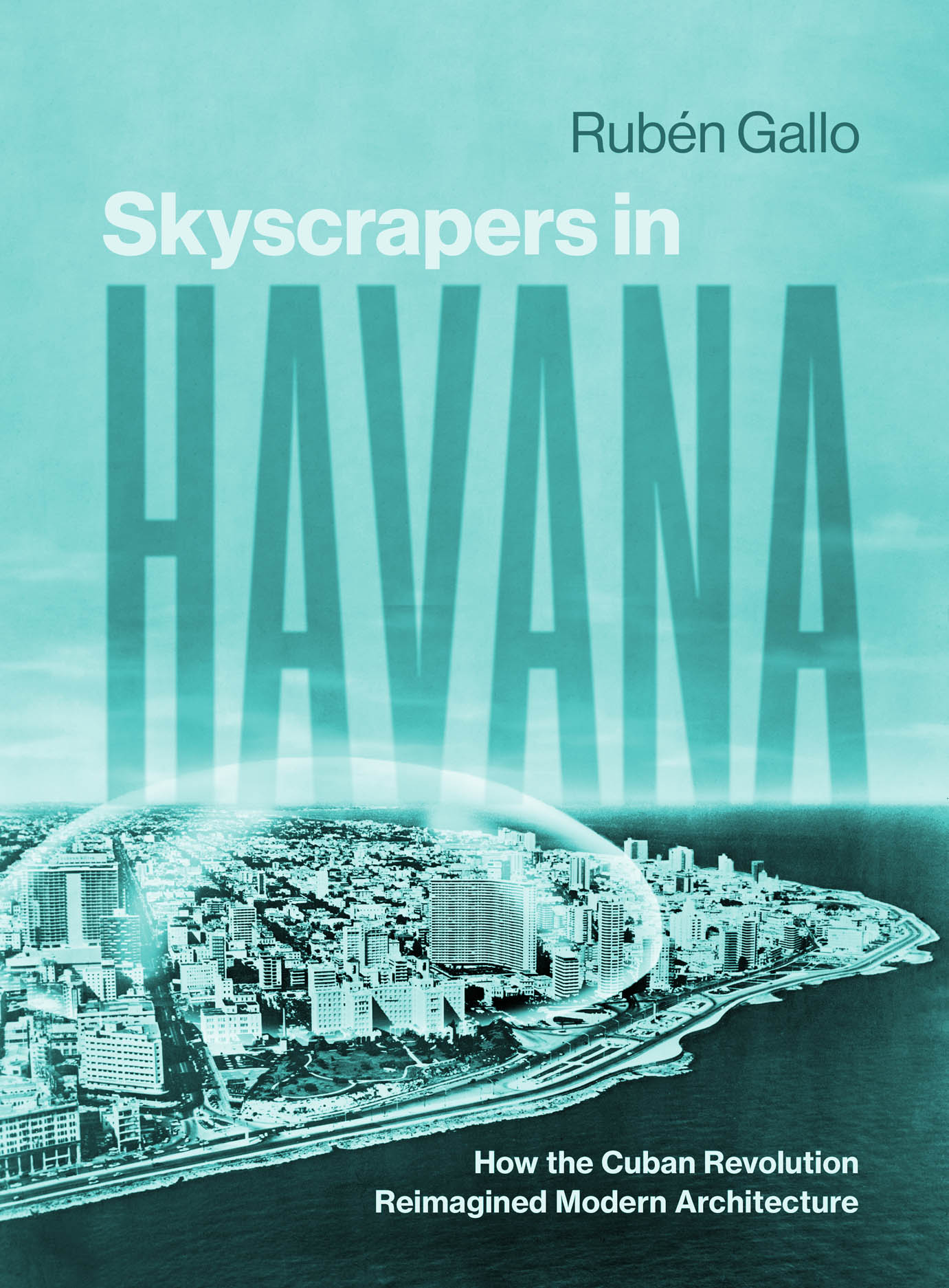
Skyscrapers in Havana
How the Cuban Revolution Reimagined Modern Architecture
Skyscrapers in Havana
How the Cuban Revolution Reimagined Modern Architecture
Why Havana attracted the most important architects in the 1950s, and how the Cuban Revolution transformed the uses of these impressive skyscrapers.
During the 1950s, Havana’s Vedado district became an epicenter of modern architecture. Architects from around the world—including Mies van der Rohe, Richard Neutra, and Josep Lluis Sert—worked in Cuba and helped make Havana one of the most modern capitals in Latin America. After the Cuban Revolution, the buildings designed during Cuba’s American-influenced hyper-capitalist past had to be reimagined, about what use what use could luxury hotels, private condominiums, and golf clubs could have in a socialist society. Writers and artists from around the world including Simone de Beauvoir, Agnès Varda, Allen Ginsberg, Graham Greene, and Gabriel García Márquez flocked to Havana to witness the first socialist experiment in the Americas and marveled at the modern towers. French philosopher Jean-Paul Sartre wrote about “Skyscrapers in Havana” for his first journalistic piece about his trip. In contrast, modern architects abandoned Cuba after the Revolution: not even those designers who had built projects there set foot in the island again.
Considering Havana’s architecture as part of a larger Cuban modernity, Gallo places built projects in dialogue with film, literature, and other cultural texts, revealing how poets, novelists, filmmakers, and designers theorized the city’s urban fabric. Skyscrapers in Havana features six chapters, each devoted to an iconic modernist structure, as well as five shorter meditations on the architects, including Le Corbusier, who had the opportunity to go to Cuba after the Revolution but decided to stay away.
320 pages | 107 halftones | 7 x 9 1/2
Architecture: History of Architecture
History: Latin American History
Literature and Literary Criticism: Romance Languages
Reviews

Table of Contents
Introduction
1. Radiocentro—1948
(I) Missed Encounters with Cuban Modernity: Le Corbusier in Havana
2. The FOCSA—1956
(II) Missed Encounters with Cuban Modernity: Lee Harvey Oswald in Havana
3. Hotel Capri—1957
(III) Missed Encounters with Cuban Modernity: Niemeyer in Havana
4. Havana Riviera—1957
(IV) Missed Encounters with Cuban Modernity: Philip Johnson in Havana
5. Habana Hilton—1958
(V) Missed Encounters with Cuban Modernity: Buckminster Fuller in Havana
6. The National Art Schools—1961
Epilogue: The Death of Cuban Modernity
Acknowledgments
List of Abbreviations
Notes
Index